
 Byron Martin
Leadership Beyond the Office: Dr. Jeremiah Hawkins on Identity, Trust & AI
 Byron Martin: Jul 28, 2026
Every profession shapes us. The best leaders make sure it doesn't define them.
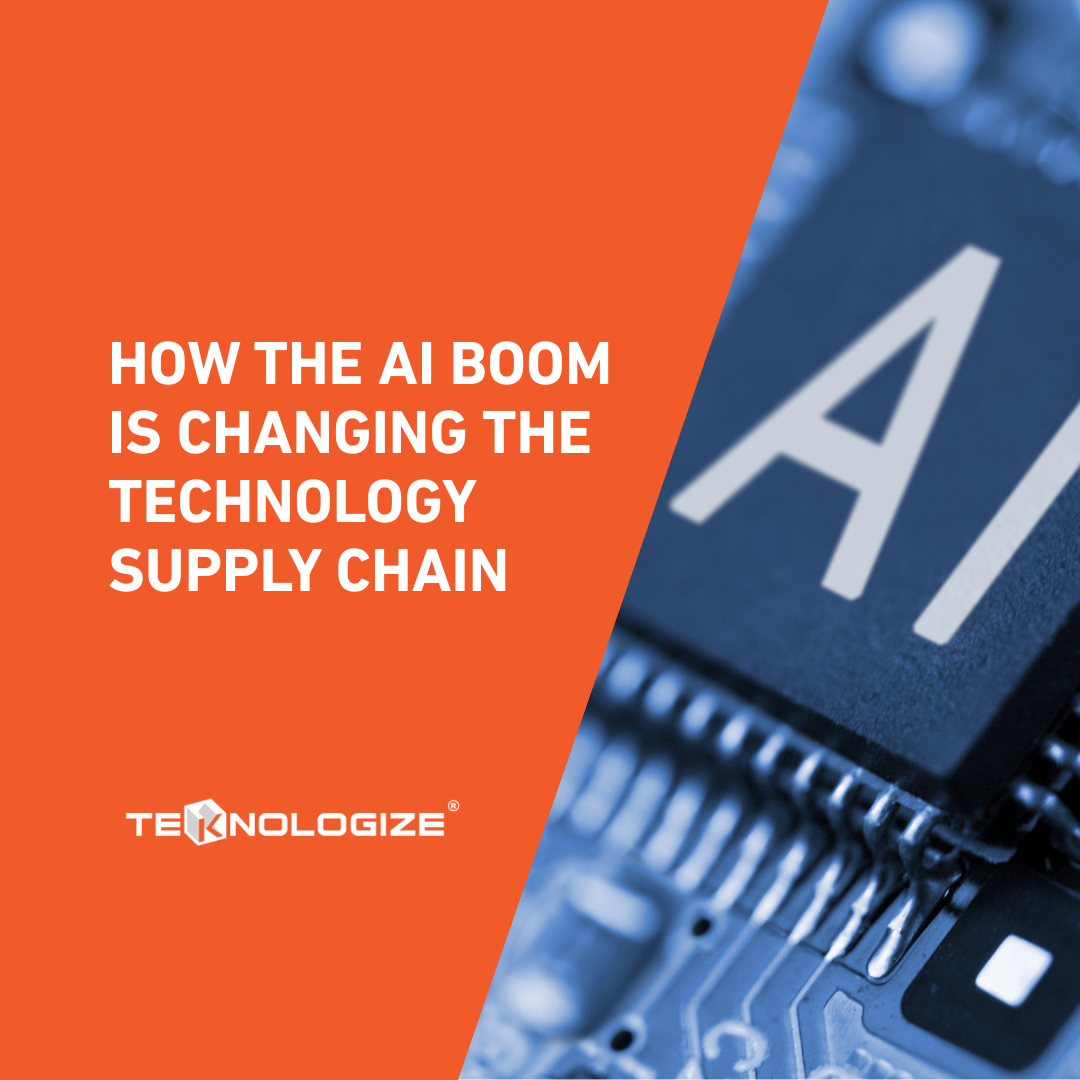
Over the past year, artificial intelligence has moved from a niche technology topic to a central driver of global technology investment. Organizations around the world are building new AI infrastructure at an unprecedented pace, expanding data centers and deploying high-performance computing systems designed to support advanced analytics, automation, and machine learning.
While the opportunities created by AI are significant, this rapid expansion is also beginning to influence another area of the technology ecosystem: hardware supply and pricing.
For business leaders planning technology investments in the coming months, understanding this shift can help ensure infrastructure decisions remain aligned with long-term operational goals.
Modern AI systems require enormous computing power and large amounts of high-speed memory. To support that demand, cloud providers, hyperscale data centers, and technology companies are deploying high-performance servers and storage systems designed specifically for AI workloads.
These systems rely heavily on memory semiconductors, a core component used to process and store data quickly within computing systems.
Unlike many other components, memory manufacturing is highly concentrated across a relatively small number of global producers. As demand for AI infrastructure increases, those manufacturing limits can create pressure across the broader technology supply chain.
In practical terms, this means the same memory components used in large AI data centers are also used in:
When demand rises rapidly across the industry, supply constraints can lead to price volatility for certain infrastructure components. These same components are used across enterprise servers, storage platforms, and high-performance workstations, meaning shifts in global demand can ripple across the broader technology market.
Technology vendors and infrastructure providers across the industry have begun signaling that memory component pricing may fluctuate as demand for AI infrastructure continues to grow.
This does not mean businesses will suddenly be unable to purchase equipment or that technology investments should be delayed. However, it does highlight an important reality of modern technology markets: global trends can influence local technology planning.
For organizations budgeting for server refreshes, storage expansion, or infrastructure upgrades, price movement tied to component availability may occur over the coming quarters.
Industry analysts widely expect these conditions to persist as AI adoption accelerates globally.
For most organizations, this shift will not dramatically change day-to-day operations. However, it does reinforce a broader best practice: technology planning works best when it is proactive rather than reactive.
Businesses that approach infrastructure decisions strategically are typically better positioned to adapt to evolving technology markets.
That includes planning for:
Infrastructure Lifecycle Management
Every organization depends on a foundation of core technology infrastructure, including servers, networking equipment, and storage systems. These systems eventually require upgrades or replacement as hardware ages or business needs evolve.
When those lifecycle decisions are planned in advance, businesses can evaluate timing, performance needs, and investment priorities more effectively.
Budget Predictability
Technology budgets are often built around expected lifecycle replacement timelines. When organizations plan those timelines strategically, they can minimize surprises and maintain predictable investment patterns.
Monitoring industry supply trends helps ensure infrastructure investments occur at the right time for both operational needs and financial planning.
Performance and Efficiency Gains
Hardware refresh cycles are not just about replacing aging equipment. They are also opportunities to improve operational efficiency.
New infrastructure platforms often deliver improvements in:
When businesses align infrastructure upgrades with broader business goals, technology investments become an enabler of growth rather than simply a maintenance expense.
The growing demand for AI infrastructure is a reminder that the technology industry continues to evolve rapidly.
Just a few years ago, global supply chain disruptions created temporary shortages for certain hardware components. Today, the driver is different: the rapid expansion of AI computing.
As organizations adopt new technologies and expand digital capabilities, the infrastructure supporting those systems must evolve as well.
For business leaders, the takeaway is not to worry about temporary market fluctuations. Instead, it is to ensure that technology planning remains aligned with long-term business objectives.
Technology is no longer simply a background operational tool. It is increasingly tied to productivity, operational efficiency, and competitive advantage.
When organizations approach technology investments strategically, they gain several advantages:
Market shifts such as AI-driven infrastructure demand are simply one more factor reinforcing the importance of intentional technology planning.
Organizations that plan ahead can adapt more easily to industry changes while continuing to move their business forward.
For many organizations, 2026 will include planned technology investments such as server replacements, infrastructure upgrades, or modernization initiatives.
Industry shifts like rising demand for AI infrastructure do not necessarily require immediate action. However, they do highlight why early planning around technology investments can be beneficial.
Businesses that evaluate infrastructure needs ahead of time often gain several advantages:
More Flexibility in Project Timing
When technology upgrades are planned well in advance, organizations have greater flexibility to schedule purchases and deployments around operational needs rather than reacting to urgency.
Better Budget Visibility
Understanding infrastructure timelines early helps leadership teams forecast costs more accurately and avoid surprises tied to shifting component pricing.
Stronger Alignment With Business Goals
Technology upgrades should support business outcomes, improving productivity, enabling automation, strengthening security, or supporting growth initiatives.
When organizations approach infrastructure planning strategically, technology investments become part of a long-term operational strategy rather than a reactive replacement cycle.
As global demand for AI infrastructure continues to expand, businesses that maintain clear technology roadmaps will be best positioned to adapt while continuing to move their operations forward.
At Teknologize, we continuously monitor industry trends across major technology vendors and infrastructure providers. These insights help ensure our clients are informed about developments that may influence technology planning, infrastructure strategy, and long-term budgeting.
In most cases, global market changes do not require immediate action. However, they can provide useful context when organizations are evaluating future technology investments.
Understanding where the industry is headed allows businesses to make more confident decisions about the technology that supports their operations.
As AI adoption continues to expand and global infrastructure demand grows, the technology landscape will continue to evolve.
If your organization is planning infrastructure upgrades, hardware refreshes, or technology initiatives in the coming year, it can be helpful to review those plans early to ensure timing, budgeting, and performance goals remain aligned.
Technology should not simply keep the lights on, it should help move your business forward.
The organizations that benefit most from technology are not the ones reacting to change, they’re the ones planning for it. Schedule your Discovery Call today!
 Teknologize is a SOC 2 Type I accredited Managed IT and Cybersecurity provider serving small to mid-sized businesses across Washington and Oregon. We deliver full-service Managed IT Support, Co-Managed IT Support, advanced Cybersecurity Solutions, and IT Compliance Services for regulated industries, including Healthcare, Financial Institutions, the Utilities Sector, Manufacturing, and Professional Services.
👉 Book a Discovery Call to see how Teknologize can support your business.
Our Offices
Tri-Cities, Washington – 509.396.6640 | Yakima, Washington – 509.396.6640
Bend, Oregon – 541.848.6072 | Seattle, Washington – 206.743.0981
Questions about your IT or Cybersecurity? Give us a call today!
 Byron Martin: Jul 28, 2026
Every profession shapes us. The best leaders make sure it doesn't define them.
 Byron Martin: Jul 16, 2026
For years, budgeting for business computers was fairly predictable. You could estimate replacement costs, plan refresh cycles, and expect only modest...
 Byron Martin: Jun 18, 2026
Healthcare costs continue to rise. Insurance premiums keep climbing. And now artificial intelligence is rapidly changing how healthcare providers,...