
 Byron Martin
You Own Your Business. It Shouldn’t Own You: Lessons from Walter Kinney, CPA
 Byron Martin: Sep 15, 2026
“We own our businesses. They shouldn’t own us.”
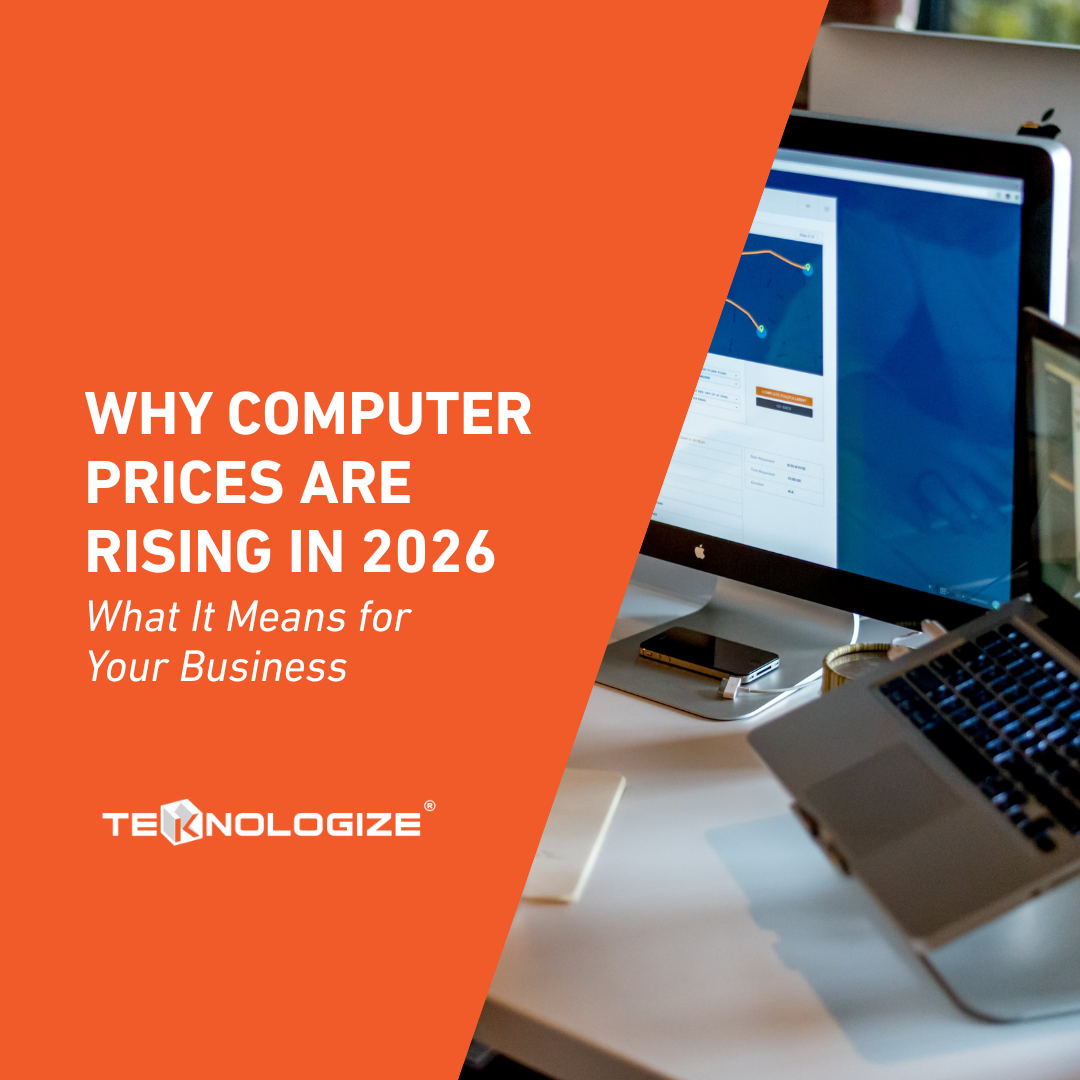
For years, budgeting for business computers was fairly predictable. You could estimate replacement costs, plan refresh cycles, and expect only modest price changes year over year.
That's no longer the case.
The short version: a collision of AI-driven memory demand, global tariffs, and a massive Windows 10 upgrade wave has pushed PC prices up 17–46% in 2026 depending on the product. Industry analysts don't expect meaningful relief until late 2027.
If your organization hasn't revisited its hardware budget recently, you may be in for an expensive surprise.
The headlines aren't speculation. They're backed by data from major news organizations and industry analysts.
In June 2026, Apple increased pricing across several product lines:
Apple CEO Tim Cook described the increases as "unavoidable" amid rising manufacturing costs and memory supply pressures, telling analysts he had "never seen anything like it in over 40 years." (CNN, MacRumors)
Memory has become one of the biggest drivers behind rising computer costs.
A 32GB DDR5 kit that sold for approximately $100 in October 2025 now starts around $350 — when it's even in stock. That's a 250–400% increase depending on the specific module. (Fortune, Tom's Hardware)
This affects every new laptop, desktop, and workstation being manufactured today.
According to Gartner, average PC prices are expected to rise 17% during 2026, while PC shipments are projected to decline 10.4% marking one of the sharpest drops in over a decade.
Lower supply combined with higher manufacturing costs is putting sustained upward pressure on pricing.
Hardware pricing may not have peaked.
The Consumer Technology Association projects that current tariff policies could increase laptop and tablet prices by as much as 46%, depending on manufacturer and country of origin. (Forbes)
For businesses planning major hardware refreshes, waiting could become increasingly expensive.
Several major market forces are colliding at the same time.
Artificial intelligence has fundamentally changed semiconductor demand.
According to IDC, AI data centers now consume an estimated 70% of advanced memory production in 2026, up from roughly 20–30% just four years ago. (Tom's Hardware / IDC)
That leaves significantly less supply available for consumer and commercial computers. Manufacturers have little incentive to shift production away from the far more profitable AI-focused memory modules, so the shortage compounds with each passing quarter.
Many laptops and desktops still rely on components manufactured in China and other overseas markets.
Additional tariffs on those components increase costs throughout the supply chain, which are ultimately passed on to businesses purchasing new equipment.
Microsoft's Windows 10 end-of-life deadline created one of the largest business upgrade cycles in years.
Organizations that delayed hardware replacements suddenly entered the market all at once, rapidly depleting inventory and driving prices higher.
Industry analysts don't expect meaningful pricing relief until late 2027, when additional semiconductor fabrication capacity is scheduled to come online. Until then, businesses should plan for continued pricing volatility.
Large enterprises have purchasing power. They negotiate pricing months in advance and buy thousands of devices at once. Most small and medium-sized businesses don't have that advantage.
Instead, SMBs are experiencing:
Higher replacement costs
Longer lead times
Reduced hardware availability
Increased pressure on already tight IT budgets
The biggest impact is hitting the computers many organizations rely on every day.
Budget laptops in the $400–$600 range are seeing some of the steepest price increases because they depend heavily on the same memory and component supply chains.
For many organizations, the IT budget didn't increase by 40%.
Their hardware costs did.
No one is immune to what's happening in the hardware market right now — not small businesses, not enterprise, not anyone. Our job isn't to alarm you. It's to help you navigate it. We do that through regular Strategic Business Reviews with our clients, where hardware lifecycles, budget forecasting, and refresh planning are ongoing conversations, not emergency decisions. And when we quote hardware for clients, we're upfront: prices in this market move fast, and quotes carry an expiration. If a purchase gets delayed and we need to requote, costs may be higher. That transparency is intentional.
We review hardware refresh cycles well in advance so businesses aren't forced into purchasing equipment during peak pricing periods.
Technology shouldn't surprise your finance team. We build 12–24 month IT budgeting forecasts that help organizations anticipate hardware costs before they become a problem.
Timing matters. When market conditions indicate additional increases are likely, we help clients purchase equipment ahead of future price spikes whenever it makes financial sense.
Not every computer needs immediate replacement. Where appropriate, we safely extend the life of existing hardware through upgrades, maintenance, and performance optimization to maximize value from previous investments.
For many users, expensive workstation upgrades aren't the only option. Cloud applications, virtual desktops, and browser-based workflows can reduce reliance on high-end local hardware while maintaining productivity.
This isn't simply an IT issue. It's a business planning issue.
Organizations that proactively manage technology lifecycles will be far better positioned than those forced into emergency purchases after equipment fails or budgets have already been finalized.
The question isn't whether hardware costs have increased. The question is whether your technology strategy has adapted to the new reality.
If you haven't reviewed your hardware roadmap or IT budget recently, now is the time. A proactive conversation today could save your organization thousands of dollars over the next 12–24 months.
If you haven't reviewed your hardware roadmap or IT budget recently, now is the time.
A proactive conversation today could save your organization thousands of dollars over the next 12–24 months.

Or call us directly at (509) 396-6640
CNN Business: Apple hikes MacBook and iPad prices due to memory chip shortage
MacRumors: Tim Cook Says Apple Price Increases Are "Unavoidable" Due to Memory Costs
CNBC: Apple posts worst day in over a year after MacBook and iPad price hikes
Fortune: Even Apple couldn't escape the memory chip "RAM-ageddon" crisis
Gartner: Surging Memory Costs Will Reduce Global PC and Smartphone Shipments in 2026
Forbes: Trump Tariffs Could Raise Tablet and Laptop Prices by 46%
Tom's Hardware / IDC: Data centers will consume 70% of memory chips made in 2026
Tom's Hardware: RAM Price Index 2026 — DDR5 and DDR4 lowest price tracking
 Teknologize is a SOC 2 Type I accredited Managed IT and Cybersecurity provider serving small to mid-sized businesses across Washington and Oregon. We deliver full-service Managed IT Support, Co-Managed IT Support, advanced Cybersecurity Solutions, and IT Compliance Services for regulated industries, including Healthcare, Financial Institutions, the Utilities Sector, Manufacturing, and Professional Services.
👉 Book a Discovery Call to see how Teknologize can support your business.
Our Offices
Tri-Cities, Washington – 509.396.6640 | Yakima, Washington – 509.396.6640
Bend, Oregon – 541.848.6072 | Seattle, Washington – 206.743.0981
Questions about your IT or Cybersecurity? Give us a call today!
 Byron Martin: Sep 15, 2026
“We own our businesses. They shouldn’t own us.”
 Byron Martin: Aug 24, 2026
Attorneys are being sanctioned for submitting legal citations that do not exist. And AI is at the center of it.
 Byron Martin: Jul 28, 2026
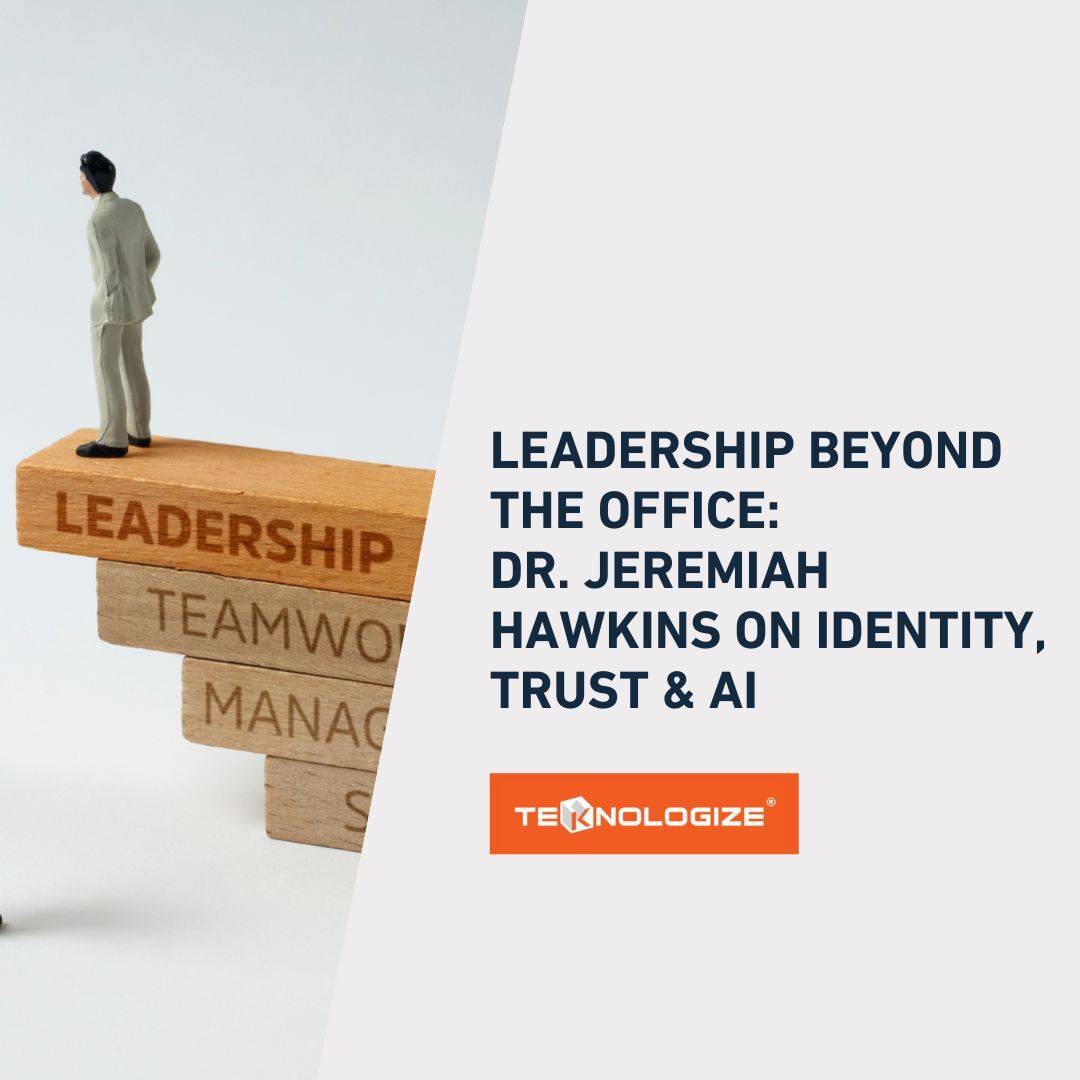
Every profession shapes us. The best leaders make sure it doesn't define them.