
 Byron Martin
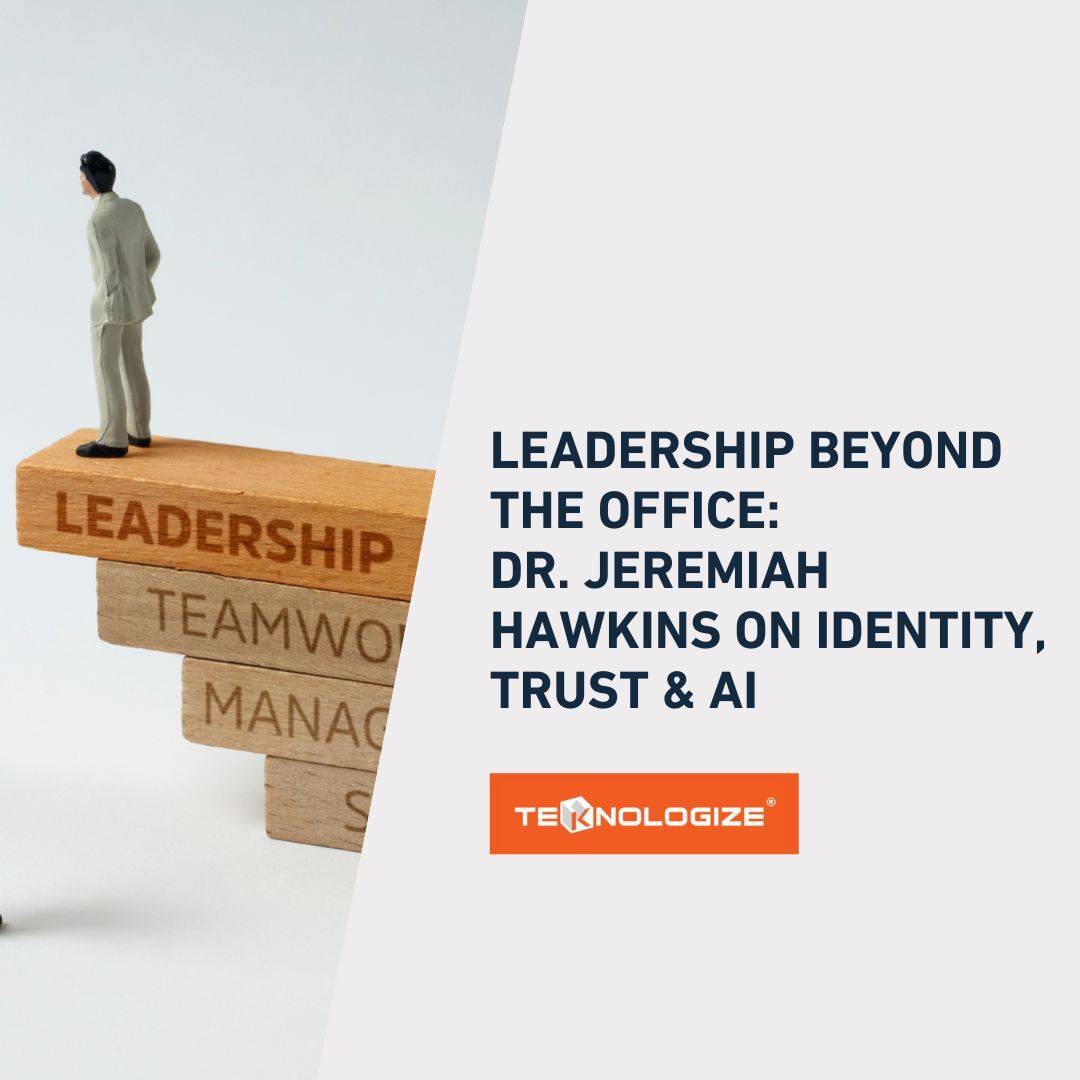
Leadership Beyond the Office: Dr. Jeremiah Hawkins on Identity, Trust & AI
 Byron Martin: Jul 28, 2026
Every profession shapes us. The best leaders make sure it doesn't define them.
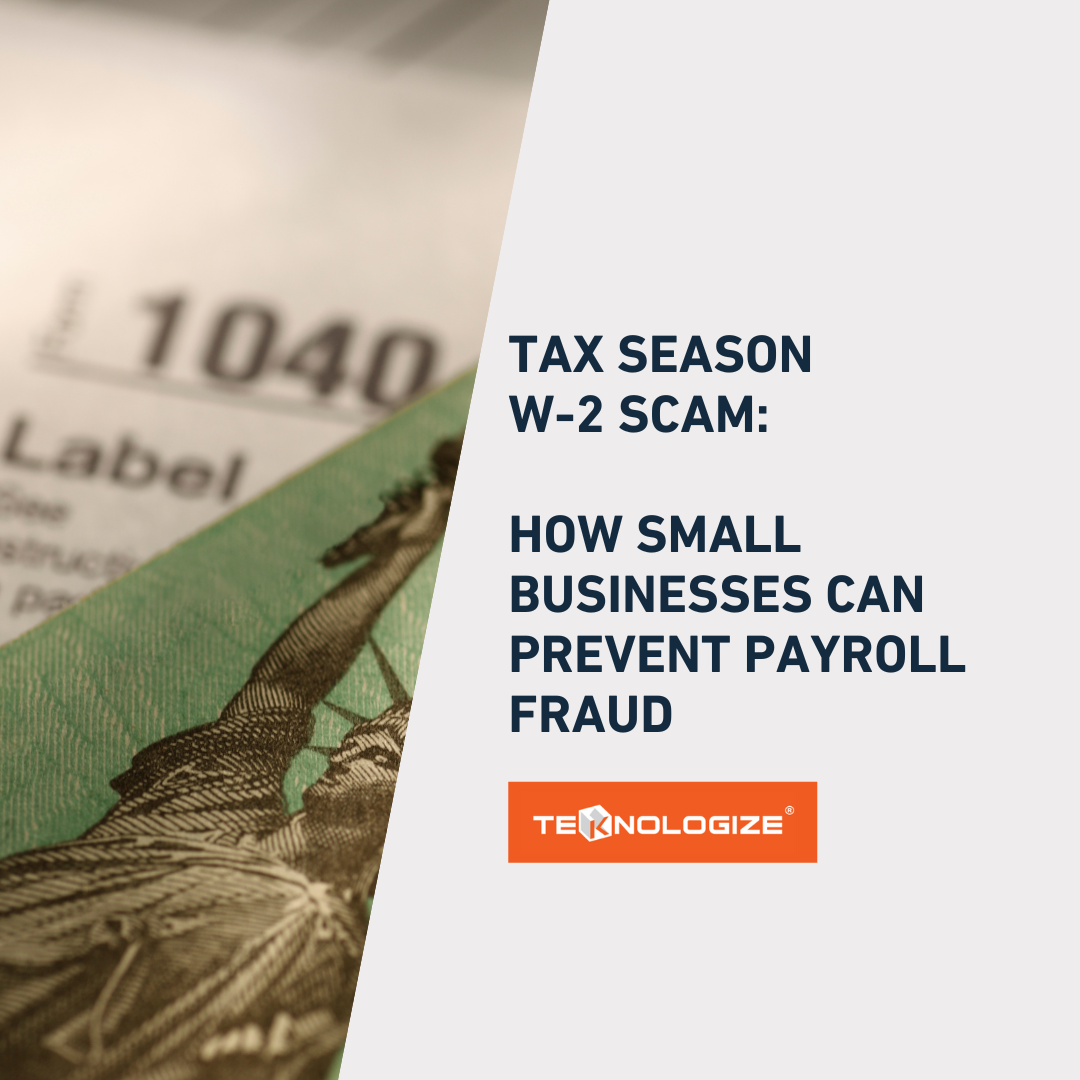
February has a rhythm every business owner knows.
Your accountant is asking for documents.
Your bookkeeper is reconciling numbers.
Payroll is finalizing W-2s and 1099s.
It feels routine. Familiar. Manageable.
What most businesses don’t schedule for, and don’t see coming, is that the first real tax-season disruption usually isn’t a tax form at all.
It’s a scam.
And for small businesses, the most common and most damaging one tends to arrive before April is even on the horizon.
This attack doesn’t rely on sloppy spelling or obvious red flags. It works because it mirrors how real businesses actually operate during tax season.
Here’s what typically happens:
The message is brief. Urgent. Familiar.
“I need copies of all employee W-2s for a meeting with the accountant. Can you send them over ASAP? I’m tied up today.”
Nothing about this feels unusual in February.
So, the employee does what good employees do; they help. They send the W-2s.
Only the email wasn’t from leadership. It was from a criminal using a spoofed address or a look-alike domain.
And in one reply, that criminal now has access to:
That’s not just sensitive data. That’s everything needed for identity theft, and everything needed to file fraudulent tax returns before your employees do.
This scam often stays invisible until it hits employees personally.
Weeks later, an employee files their tax return and receives a rejection notice:
“A return has already been filed for this Social Security number.”
Someone else claimed the refund first.
Now that employee is dealing with the IRS, credit bureaus, identity protection services, and months of remediation, because of a document they never knowingly shared.
Multiply that by your entire payroll. Now imagine explaining to your team that their personal information was compromised because someone fell for a fake email.
For the business, the impact compounds quickly:
This isn’t just a cybersecurity issue. It’s a people issue, and a leadership issue.
This attack succeeds not because teams are careless, but because it’s designed around normal business behavior.
It works because:
The good news? This scam is preventable.
And prevention doesn’t require heavy, expensive tools. It requires clear rules, simple verification, and a supportive culture.
1. Set a hard rule: No W-2s via email
W-2’s and all sensitive payroll documents should never be sent as email attachments. No exceptions, even if the request appears to come from leadership.
2. Verify in a second channel
Any request for employee tax data should be confirmed by phone, chat, or in person. Use contact information you already trust, not what’s in the email.
3. Lock down payroll and HR systems
Multi-factor authentication (MFA) on systems that store employee data is critical. If credentials are compromised, MFA is often the last line of defense.
4. Make verification a positive behavior
Employees should never feel embarrassed for double-checking a request, even if it’s from the CEO. A culture that rewards verification shuts scams down fast.
5. Hold a short tax-season awareness huddle
Ten minutes with payroll and HR teams now can prevent months of cleanup later. Show them what these emails look like and what to do when they appear.
These are small changes. But they enable safer, more confident operations during your busiest season.
The W-2 scam is rarely the only attempt.
Between now and April, businesses commonly see:
Businesses that make it through tax season without incident aren’t just lucky. They’re prepared. They have policies. They have training. They have systems that catch suspicious requests before they become disasters.
The businesses that move through tax season smoothly aren’t the ones who worry more.
They’re the ones who prepare earlier.
If you’d like a second set of eyes on your current approach, schedule a quick discovery call.
A short conversation now can make the rest of the season a lot less stressful.
What is the W-2 scam targeting small businesses?
The W-2 scam is a tax-season phishing attack where criminals impersonate a business owner or executive and request employee W-2 forms from payroll or HR. The goal is to steal Social Security numbers, addresses, and salary data for identity theft and fraudulent tax filings.
Why does the W-2 scam happen during tax season?
Tax season creates the perfect conditions for this scam. W-2 requests are expected, urgency feels normal, and employees are busy. Attackers take advantage of routine business workflows rather than technical vulnerabilities.
How do scammers make W-2 emails look legitimate?
Criminals often use spoofed or look-alike email domains, research executive names, and mimic internal communication styles. The message is usually short, urgent, and aligned with real tax-season activity, making it hard to detect at a glance.
What happens if employee W-2 data is stolen?
Employees may discover the breach when their tax return is rejected because a fraudulent return was already filed. This can lead to identity theft, IRS remediation, credit monitoring, and long-term trust and legal issues for the business.
How can small businesses prevent W-2 tax scams?
Small businesses can prevent W-2 scams by:
Is technology alone enough to stop tax-season scams?
No. While tools like MFA and email security are essential, preventing tax scams also requires clear policies and a culture that supports verification. Technology should enable safer decision-making, not replace it.

 Teknologize is a SOC 2 Type I accredited Managed IT and Cybersecurity provider serving small to mid-sized businesses across Washington and Oregon. We deliver full-service Managed IT Support, Co-Managed IT Support, advanced Cybersecurity Solutions, and IT Compliance Services for regulated industries, including Healthcare, Financial Institutions, the Utilities Sector, Manufacturing, and Professional Services.
👉 Book a Discovery Call to see how Teknologize can support your business.
Our Offices
Tri-Cities, Washington – 509.396.6640 | Yakima, Washington – 509.396.6640
Bend, Oregon – 541.848.6072 | Seattle, Washington – 206.743.0981
Questions about your IT or Cybersecurity? Give us a call today!
 Byron Martin: Jul 28, 2026
Every profession shapes us. The best leaders make sure it doesn't define them.
 Byron Martin: Jul 16, 2026
For years, budgeting for business computers was fairly predictable. You could estimate replacement costs, plan refresh cycles, and expect only modest...
 Byron Martin: Jun 18, 2026
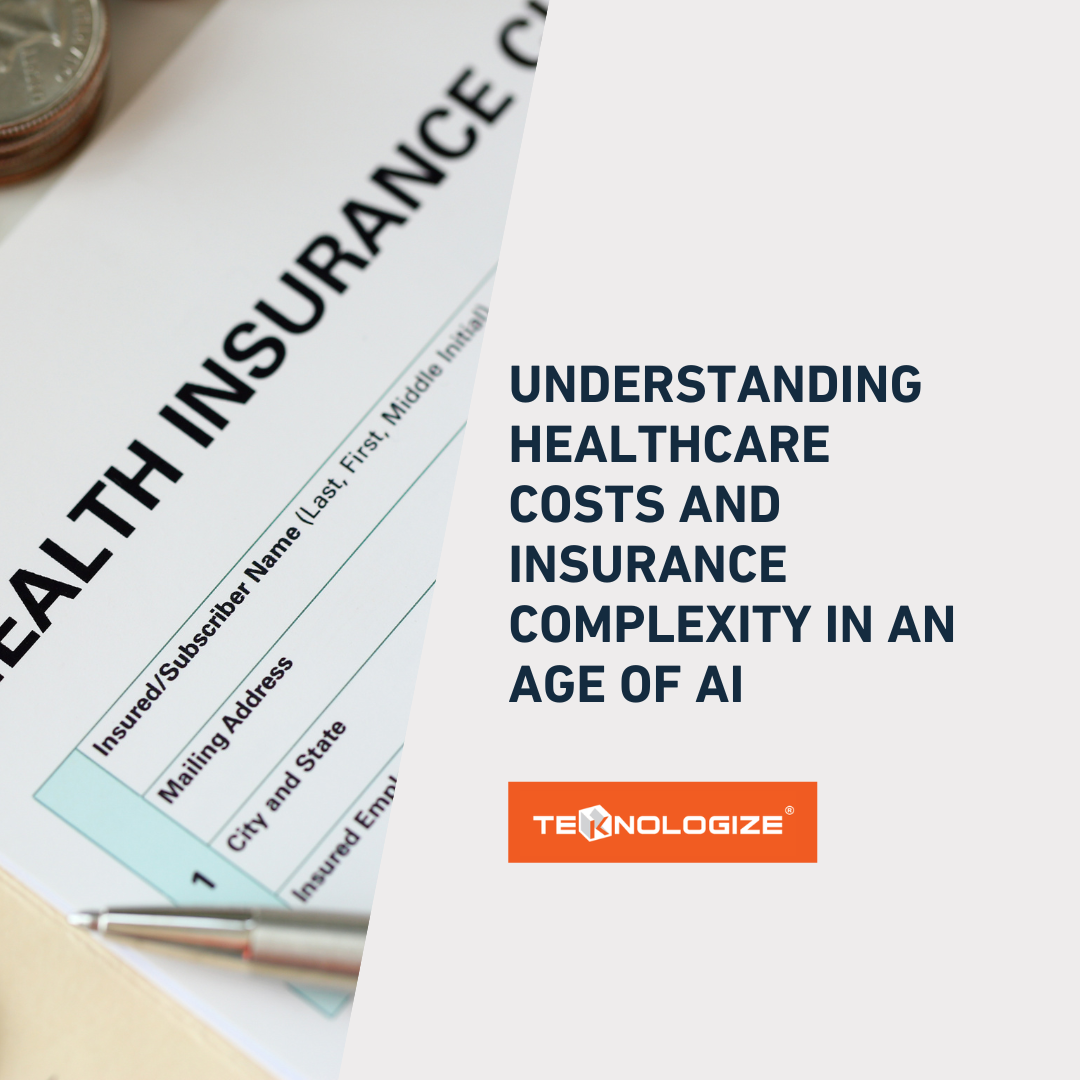
Healthcare costs continue to rise. Insurance premiums keep climbing. And now artificial intelligence is rapidly changing how healthcare providers,...